

The Real Claims Complaint Is Silence: A Visibility Playbook for South Africa Teams
If you run claims operations in South Africa, your biggest problem probably isn't denials. It's silence.
The "just checking in" calls. The broker emails asking for updates you don't have. The escalations that start not because something went wrong, but because nobody communicated what was happening. That silence creates more friction, more rework, and more complaints than any coverage decision ever will.
Here's the thing: visibility isn't a tooling problem. It's a process discipline—and most teams can fix it without new systems or extra headcount.
Why "No Updates" Create More Escalations Than Denials
A denial with a clear explanation creates far less friction than a claim sitting in silence for five days. Denials have closure. Silence has anxiety.
- Brokers escalate to get any response — They're not angry about the outcome. They're angry about not knowing.
- Members assume the worst — No news isn't good news in claims. It's "something's gone wrong and nobody's telling me."
- Silence shifts workload — Your team stops processing and starts firefighting. Follow-up calls replace resolution work.
- Trust erodes invisibly — By the time a formal complaint lands, the relationship damage happened weeks ago.
In South Africa's broker-driven market, where intermediaries manage relationships across multiple insurers, the one who communicates wins. Every time.
The 3 Moments Silence Usually Happens

Silence doesn't happen randomly. It clusters in three predictable moments — each fixable.
1. Handoffs
A claim moves between teams — intake to assessment, assessment to approvals — and nobody picks up ownership. The previous handler assumes the next one will communicate. The next one assumes it's already been done. Nobody does.
2. Document Requests
The claim gets pended for missing information. "Awaiting documents" sits as a status for days with no follow-up date, no reminder, and no proactive update. The broker finds out only when they chase.
3. Approvals
Claims clear medical review but sit in approval queues with invisible decision-makers. The claim is technically progressing, but from the outside, it looks frozen.
Every one of these moments has the same root cause: no named owner, no next action, no committed update time.
The Visibility Rule: Owner + Next Action + Update Time
This is the single highest-impact change a claims team can make. Every claim must always have three things visible:
- A named owner — One person responsible for moving it forward. Not a team. A person.
- A defined next action — What specifically needs to happen next. "Pending" is not a status.
- A committed update time — When the owner will act or follow up, even if nothing has changed.
Replace "pending — awaiting documents" with "awaiting radiology report from Dr. Moyo — follow up by Thursday." When brokers and members can see who owns a claim and when the next update is due, the "just checking in" calls drop dramatically.
This rule alone — enforced consistently — can reduce follow-up volume by a third or more.
👉 Claims follow-ups overwhelming your team? Book a 20-minute consultation to walk through your workflow and spot the fastest fixes.

A Simple Update Rhythm That Works (Even When Nothing Changes)
The biggest mistake teams make: only communicating when there's news. In claims, no news is news — it just needs to be said out loud.

- Set a predictable cadence — Every 48–72 hours, every claim gets an update. No exceptions.
- "No change" updates still count — "Your claim is still with our medical team. Next update: Friday." That's enough.
- Standardise the language — Templates reduce effort. "Claim [ref] is currently [stage]. Next action: [action]. Expected update: [date]."
Why rhythm matters more than content: predictability builds trust. When people know an update is coming, they stop chasing one.
Escalation Triggers That Prevent Surprise Backlog
Don't wait for complaints to tell you something's stuck. Build triggers that surface problems before they escalate.
- Age-based triggers — Any claim with no movement in 3+ days gets flagged automatically. No exceptions.
- Risk-based triggers — High-value or sensitive claims (disability, hospitalisation, large group schemes) get shorter escalation windows.
- Visibility-driven escalation — Escalate when the visibility rule is broken (no owner, no next action, no update time), not just when someone complains.
The goal: prevent last-minute pile-ups. Escalation should be a process signal, not an emotional reaction.
What to Measure Weekly
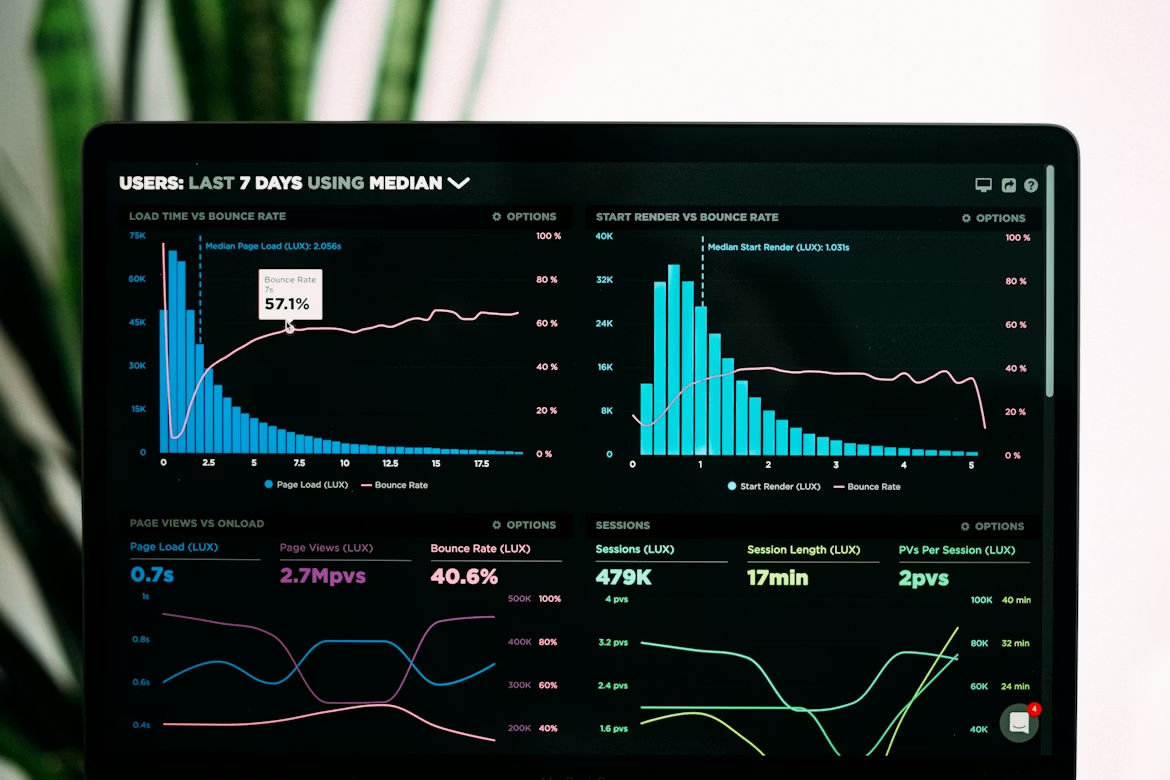
Track these four metrics to know if visibility is actually improving:
- Follow-up volume — Calls and emails per claim. If this number drops, your communication is working.
- Aged cases by stage — Where are claims sitting longest? That's where silence lives.
- Update compliance rate — What percentage of claims have a current owner, next action, and update time? Target: 95%+.
- Escalations by reason — Split escalations into "silence-driven" vs "decision-driven." If most are silence-driven, your hidden cost of manual claims workflows is communication, not competence.
The Takeaway
Silence is the real enemy of trust in claims. Not slow decisions, not tough denials — silence.
The fix isn't more staff or better software. It's three simple disciplines enforced consistently: ownership, next action, update time. Add a predictable communication rhythm, build escalation triggers that catch silence before it becomes a complaint, and measure weekly.
Start here: Enforce the visibility rule → Set a 48-hour rhythm → Build age-based triggers → Measure follow-up volume weekly.
The shift from manual processes to modern claims workflows starts with something surprisingly simple: just tell people what's happening.
Ready to pinpoint where silence is costing your team? Book a 20-minute consultation — we'll map your workflow and find the fastest path to fewer escalations.
See real-world outcomes from insurers transforming their operations, or explore where claims automation actually delivers ROI across the full settlement cycle.
Subsribe to our newsletter to receive weekly content





.svg)


