


Insurance Operations KPIs: What to Measure and Why
Insurance Operations KPIs: What to Measure and Why
Most insurers measure activity, not performance. They can tell you how many claims they processed last month. They can't tell you how long each one took, how many came back for rework, or how much money leaked out along the way. Those second numbers are the ones that predict whether you're profitable.
The gap matters because the metrics that drive financial outcomes are usually the ones African insurers track least. Here's the set that actually matters, with the global benchmarks to measure against.
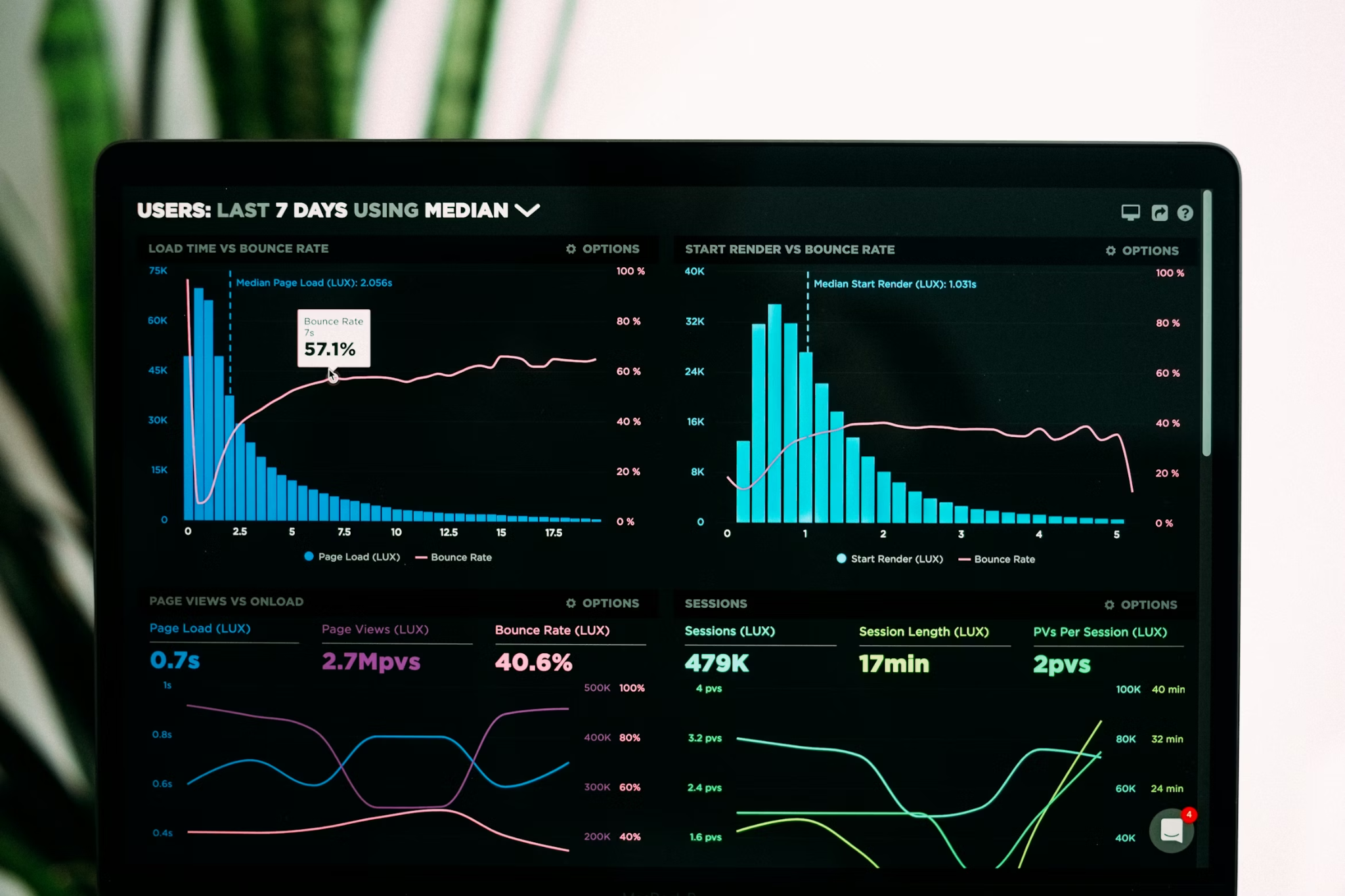
Claims Operations KPIs
Claims is where the money moves, so this is where measurement matters most.
- Cycle time (TAT). Days from first notice of loss to settlement. Long cycle times signal poor triage and missing-document delays, and OpsDog notes they're a leading driver of customer churn.
- Straight-through processing (STP) rate. The share of claims auto-adjudicated with no human touch. Per the EY Global Claims Survey 2024, STP jumped from 12% to 31% for early AI adopters and cut loss-adjustment expense by 18%.
- Rework rate. How often claims bounce back for missing or incorrect documents. High rework is the hidden tax on cycle time and the easiest win for most teams.
- Cost per claim. Total processing cost divided by claims handled. McKinsey estimates more than 50% of claims activities can be automated by 2030, and that automation can cut claims journey costs by up to 30%.

👉 Book a demo to see how Curacel's claims infrastructure moves these numbers.
Financial and Underwriting KPIs
Three ratios decide whether the business makes money. They build on each other.
- Loss ratio. Claims paid divided by premiums earned. It shows how much of every premium dollar goes back out as claims.
- Expense ratio. Underwriting and operating costs divided by premiums. This is where operational efficiency shows up directly in the financials.
- Combined ratio. Loss ratio plus expense ratio, and the single most important number in underwriting. Below 100% means you profit from underwriting alone. The US P&C industry hit roughly 96.6% in 2024, its best result in over a decade. McKinsey's global figure trended to about 91% in 2023.
Expense ratio is the lever operations teams control most directly. Every point cut from processing cost drops straight to the combined ratio.
Customer KPIs
- Net Promoter Score (NPS). The insurance industry averaged an NPS of 36 in 2024, per ClearlyRated, where 50 counts as excellent and 70 as world-class. Most insurers have a long way to go.
- Retention and first contact resolution. Slow claims and repeated follow-ups are the top churn drivers, which ties customer KPIs directly back to cycle time and rework.
Three Mistakes Insurers Make
- Measuring activity, not outcomes. Claims processed is a vanity metric. Cycle time, leakage, and STP rate are the ones that move the combined ratio.
- Tracking without benchmarking. A number with no comparison point is noise. A 14-day cycle time only means something next to the global standard.
- Reporting monthly, acting never. KPIs that sit in a slide deck change nothing. They need owners, thresholds, and a cadence that triggers action.
The Takeaway
You can't fix what you don't measure, and you can't measure what matters if you're only counting activity. The KPIs that predict profitability (cycle time, STP rate, rework, leakage, and the combined ratio they feed) are exactly the ones most insurers track least. Start there, benchmark against the global numbers, and the operational gaps reveal themselves.
See real-world outcomes from insurers that moved these numbers.
Ready to benchmark your operation? Book a demo — or download the Insurance Operations KPI Scorecard.
Abonnez-vous à notre newsletter pour recevoir du contenu hebdomadaire





.svg)


