


Why Governments Everywhere Are Mandating E-Invoicing | Curacel
Money Is Just Trust That Learned to Move
Strip a banknote of its mystique and it is a promise. A shared agreement that this piece of paper is worth something, honoured by everyone who touches it. Money has only ever been one thing: trust, made portable.
An invoice is the same trust, written down for two parties instead of a whole economy. Pay me for what I delivered. So when governments across the world suddenly start dictating how invoices must be issued, they are not fussing over paperwork. They are reaching for the place where trust between businesses lives, and making it something a machine can verify.
That is the real story behind the wave of e-invoicing mandates. And it is worth understanding, because it is heading for every market on earth.
The Same Decision, Made Everywhere at Once
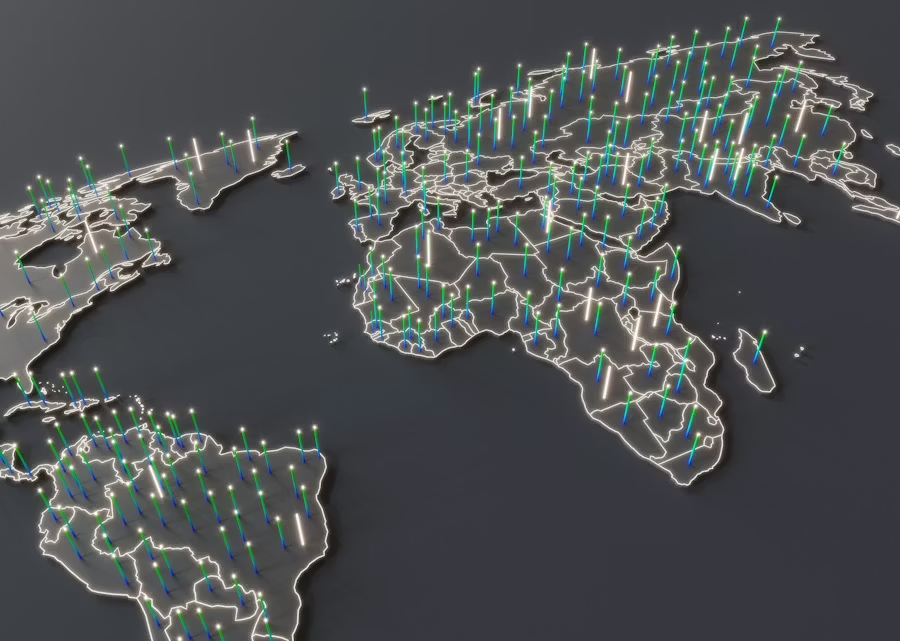
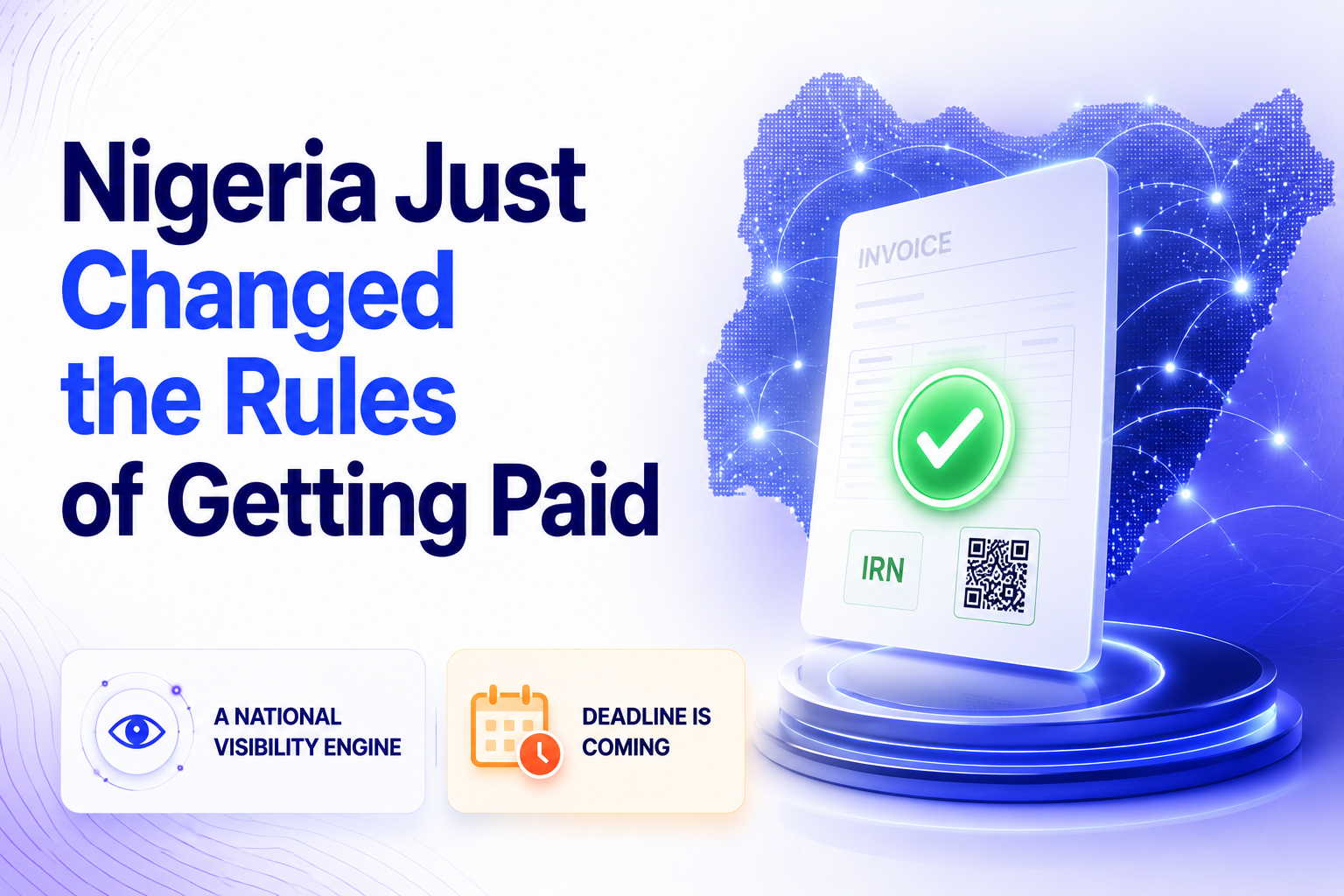
Look at the timeline and the pattern is unmistakable. Italy made structured e-invoicing mandatory back in 2019. Saudi Arabia rolled out its Fatoorah system from 2021. India phased in GST e-invoicing. Kenya’s eTIMS went mandatory in 2023. Nigeria’s Federal Inland Revenue Service brought large taxpayers, those with annual turnover of 5 billion naira or more, into its national e-invoicing system from November 2025, with medium and smaller businesses scheduled to follow through 2026 and 2027.
Different continents. Different tax systems. Different politics. The same decision, made at almost the same time. When that many governments independently arrive at one conclusion, it is never a coincidence. It is a pattern with a cause.
Why Governments Actually Do This
The cause is money the state cannot see.
The European Union alone lost 128 billion euro to its VAT compliance gap in 2023, according to the European Commission. That is the difference between the tax that was owed and the tax that was actually collected, lost to fraud, error, and invoices that quietly never matched up. Every government staring at a hole like that reaches the same conclusion: when invoices are paper and PDFs, trust is invisible, and what cannot be seen cannot be counted.
And the fix works. After Italy made e-invoicing mandatory, the European Commission’s own records attribute between 1.7 and 2.0 billion euro in additional VAT recovery to the move. Fraud and false credits detected by the Italian tax authority rose from almost 1 billion euro in 2019 to 9 billion euro in 2022. Structure did what audits never could. It made the trust legible in real time.
Why This Matters More in Africa
If anything, the logic is sharper here. Nigeria’s tax-to-GDP ratio sat at just 8.2 percent in 2023, against an African average of 16.1 percent, according to the OECD. That gap is not a sign of a poor economy. It is a sign of an economy whose activity the state largely cannot see. Real-time, structured invoicing is the most direct tool ever built to close it.
So African mandates are not imported box-ticking. They are governments doing exactly what Italy and the EU did, for the same reason, with even more to gain.
What a Real E-Invoice Actually Is
Here is the part most businesses miss. A PDF is not an e-invoice. A PDF is a picture of an invoice, made for human eyes. A true e-invoice is structured data, machine-readable, in a standard format, where every figure sits in a defined place a computer can read, validate, and confirm without anyone re-keying a thing.
That difference is the whole point. A structured invoice can be checked, matched, and cleared in real time, often carrying a unique reference number that turns a private claim into a publicly verifiable fact. The invoice stops being a story you tell about a transaction and becomes proof the transaction happened.
What This Means for You
If you are reading this from a market without a mandate yet, you are reading about your near future, not someone else’s present. The wave moves one direction. The businesses that treat it as inevitable will be calm when it arrives. The ones that treat it as a surprise will be scrambling.
The good news is that getting ready is the same work as getting better. Structured, traceable invoicing does not just satisfy a regulator. It speeds your payments, kills duplicate errors, and gives you cleaner data than you have ever had. Compliance and efficiency turn out to be the same upgrade.
The exact obligations differ by country and by the size of your business, and they change often, so consult your tax advisor for what applies to you.
👉 See how Curacel Pay helps businesses stay compliance-ready as these mandates roll out, at curacel.co.
The Takeaway
Governments are not digitising invoices for the love of admin. They are making trust machine-verifiable, because trust they can see is revenue they can collect. Money has always been trust in motion. The invoice is simply where that trust now has to prove itself.
Ready to make your invoicing ready for what’s coming? See how Curacel Pay works at curacel.co.
Abonnez-vous à notre newsletter pour recevoir du contenu hebdomadaire




.svg)


