


Agritech: Closing the Protection Gap
Agritech: Closing the Protection Gap
In 2024, Southern Africa experienced its worst drought in a century. Five countries declared national disasters. One million hectares of maize withered in Zambia alone. Malawi lost 70% of its harvest. Across the SADC region, 68 million people now need urgent food aid, according to the World Food Programme.
Almost none of the farmers affected had insurance. 97% of African smallholder farmers lack access to formal agricultural insurance, per Pula and BlueOrchard. They produce up to 80% of the continent's food. They carry nearly all the climate risk. And they absorb every loss themselves.
The insurance gap in African agriculture isn't a distribution problem in the traditional sense. It's that the right distribution channel hasn't been activated yet. Agritech platforms already reach the farmer, process payments, and assess risk. They're one API integration away from becoming insurance distributors. (If you're new to embedded insurance, start with our beginner's guide.)
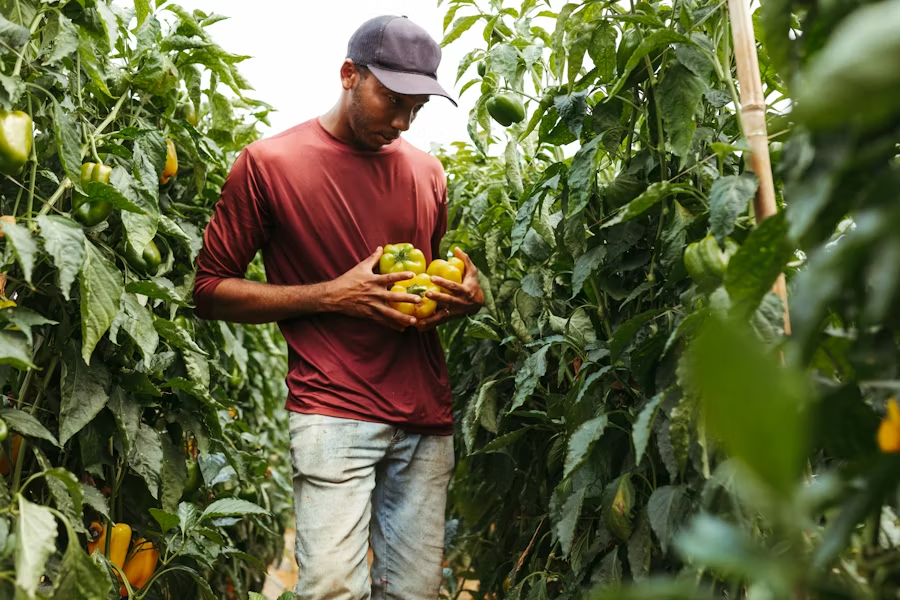
What Farmers Lose Without Insurance
The 2024 drought wasn't an anomaly. It was a preview. 95% of African farmers depend on rain-fed agriculture, per PreventionWeb, and rainy seasons are becoming shorter, less predictable, and more volatile. The FAO projects that climate change will reduce crop yields in Sub-Saharan Africa by 15% by 2050.
When harvests fail, the losses cascade. Farmers empty savings. Children leave school. Families skip meals for months. NASA data confirmed that February 2024 was the driest in 40 years across Zambia, Zimbabwe, and northern Botswana. Maize crops died on one million hectares in Zambia. Over 9,000 cattle died in Zimbabwe from drought alone.
For agritech platforms that finance farm inputs on credit, uninsured harvests create a direct business problem. When the crop fails, the loan defaults. The platform absorbs the loss. No credit model can predict a drought. (We explored this parallel in lending in our post on how fintechs reduce loan default with credit life.)
Why Agritech Platforms Are the Distribution Layer
Traditional agricultural insurance has failed to scale in Africa for decades. The cost of verifying individual claims across millions of smallholder farms is prohibitive. Farmers are remote, fragmented, and distrustful of insurance products they've never experienced. Direct-to-farmer sales don't work at these economics.
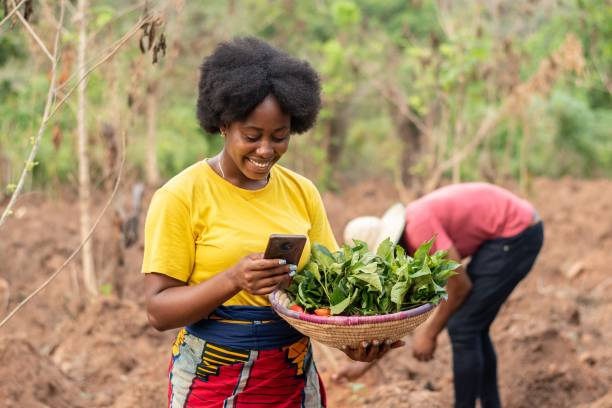
But agritech platforms have already solved the access problem for inputs, credit, and advisory services. The same rails that deliver seeds and fertilizer to a farmer in Meru County or Kano State can deliver insurance. And several platforms are proving it.
- Pula has insured 15 million+ farmers across 22 countries by embedding insurance directly into input packages and government subsidy programs, per IFC. In Zimbabwe, a pilot that started with 31,000 farmers scaled to over one million in three years through a public-private partnership with the Bayer Foundation. Farmers don't buy a separate policy. The premium is bundled with their fertilizer.
- Apollo Agriculture in Kenya provides 350,000+ farmers with input financing, crop insurance, and personalized advice via satellite and machine learning, per TechPoint Africa. Insurance is embedded in the input loan. When a farmer takes credit for seeds and fertilizer, coverage is included automatically.
- OKO Finance in Mali, Uganda, and Cote d'Ivoire uses satellite imagery to automate index-based payouts via mobile money, per TechCabal. Farmers receive payouts when satellite data confirms a drought or flood hit their area. No claims process. No field visits.
The pattern is consistent: insurance scales in agriculture when it's embedded into something the farmer already uses. Not sold as a standalone product.
The Revenue Case for Platforms
For agritech platforms, embedded insurance isn't just impact. It's portfolio protection and revenue.
- Loan default protection. When a farmer's harvest fails and their input loan is insured, the insurer covers the outstanding balance. The platform doesn't absorb the write-off. For platforms financing inputs across thousands of farms, this directly protects the loan book.
- Commission revenue. Platforms earn 15-30% commission on insurance premiums distributed through their channel. For a platform serving 50,000 farmers at a $4-$10 average premium, that's a meaningful incremental revenue line.
- Farmer retention and trust. Farmers who receive a payout after a bad season are significantly more likely to remain on the platform and invest more in the following season. Pula's data shows insured farmers increase their investment in inputs because the downside risk is capped.
👉 Get Started with Curacel Grow and add agricultural insurance to your platform in one sitting.
How Curacel Grow Works for Agriculture
Curacel Grow is an embedded insurance API that lets agritech platforms offer crop, weather index, livestock, and input protection coverage at the point of service. No broker, no insurer negotiations, no insurance expertise required.
- Sign up and get instant sandbox access. Configure agricultural insurance templates using the quickstart guide.
- Integrate. A single API call at the point of input disbursement or farmer registration triggers the premium quote. Coverage is bundled with the service the farmer is already receiving. Test end-to-end in the sandbox.
- Go live. Submit a go-live request from your dashboard. Production credentials arrive within 24 hours.
Once live, farmers are insured the moment they receive inputs or credit through your platform. Premiums are deducted from the transaction. Claims are triggered automatically (for index products) or submitted digitally. Commissions are tracked in your dashboard.
The Takeaway
Africa's agricultural protection gap won't close through standalone insurance products sold door-to-door. It'll close when the agritech platforms that already reach millions of farmers start embedding coverage into the services they already deliver.
The model works. Pula proved it at 15 million farmers. Apollo proved it in Kenya. OKO proved it via satellite in West Africa. The question for the next generation of agritech platforms isn't whether to add insurance. It's how fast they can move.
The first 20 businesses to go live on Curacel Grow get priority onboarding, direct Slack access to the product team, and input on the roadmap.
Check out real-world outcomes from platforms that have already embedded insurance.
Ready to close the protection gap? Get Started with Curacel Grow. No credit card required.
Subsribe to our newsletter to receive weekly content






.svg)


