


Embedded Insurance for Property Platforms
Embedded Insurance for Property Platforms
Embedded Insurance for Property Platforms
Africa's real estate market is worth over $233 billion and growing toward $347 billion by 2034, according to Market Data Forecast. More than 80% of urban Nigerians rent. The continent adds 3 million urban residents every month. And yet, outside South Africa, almost none of these properties carry any form of insurance.
Every fire, flood, burglary, and tenant dispute is absorbed entirely by the landlord, the tenant, or the platform. No risk is transferred. No claim is filed. (New to the concept? Start with our guide on what embedded insurance is.)
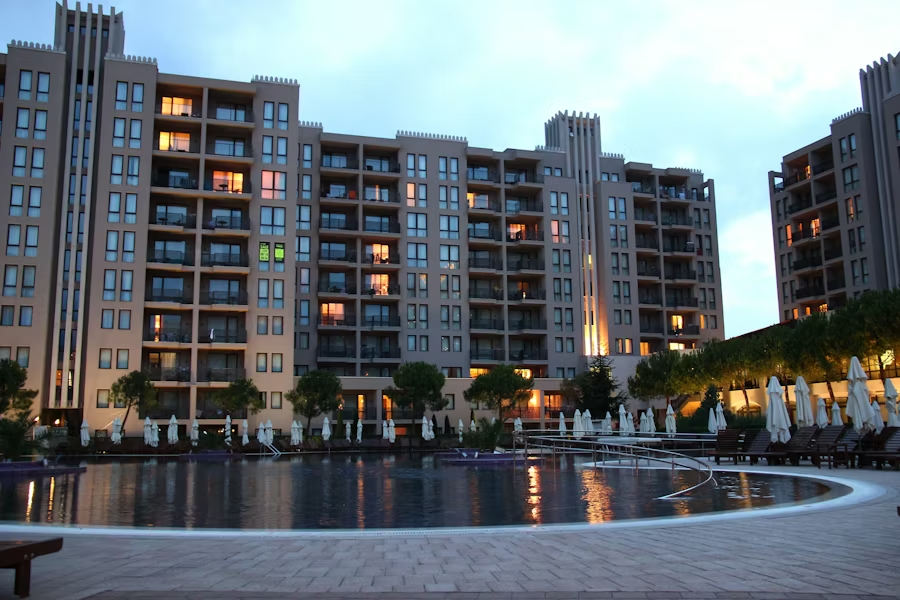
What Property Owners and Renters Lose Without Insurance
- Fire is the most visible threat. Lagos recorded 1,952 fire incidents in 2024, with ₦19.52 billion in property losses, per Punch Newspapers. Seventeen markets burned that year. The Mandilas Building fire alone destroyed 450 shops. Almost none were insured.
- Flooding hits renters hardest. ReliefWeb data shows 275,621 people across 48,403 households were affected by Lagos flooding in 2024. Seven percent of homes were totally destroyed. Tenants lost everything.
- Theft and tenant damage are universal but uninsured. South Africa records 175,000+ residential burglaries annually. In Nigeria and Kenya, theft goes unreported because there's no policy to claim against.
For proptech platforms, uninsured properties create a direct business cost: higher dispute volumes, more tenant churn, and landlord dissatisfaction that erodes the platform's value.
Why Proptech Platforms Are the Distribution Layer
Traditional property insurers have never reached Africa's renters at scale. Missing address data and informal rental agreements make direct-to-tenant sales uneconomic. But proptech platforms have already solved the access problem.
Platforms like Spleet and SmallSmall in Nigeria, BuyRentKenya, and Property24 in South Africa already process leases, collect rent, and manage properties digitally. Insurance fits naturally: lease signing, rent payment, property listing, and booking checkout.
The global data backs this up. Cover Genius's Property Report found 98% of short-term rental hosts want their listing site to offer insurance, 67% were never offered it during their application, and 61% cite convenience as the top reason they'd buy.

The Revenue and Retention Case
Embedded property insurance generates recurring, high-margin revenue that other proptech revenue streams can't match. (For more on the economics, see 5 revenue models for embedded insurance.)
Walnut Insurance reports that a property management SaaS generated $2.5 million in new ARR from embedded renters insurance, with an 18% ARPU lift and 25% better lease renewals. Insured tenants stay longer. Landlords see fewer disputes because damage goes through the insurer, not the deposit.
Cover Genius partners see attach rates of 30-60% at property transaction moments. Lemonade proved volume with 3M+ customers and renters insurance from $5/month. Airbnb's AirCover proved the platform case with $3M host damage protection auto-enrolled on every booking.
Among proptech revenue lines, embedded insurance is the only one that combines high gross margin (15-30% of premium), recurring monthly cashflow, and retention impact. Listing fees are one-off. Rent commissions are thin. Insurance compounds.
👉 Get Started with Curacel Grow and add property insurance to your platform in one sitting.
How Curacel Grow Works for Property
Curacel Grow is an embedded insurance API that lets proptech platforms offer renters, landlord, contents, and building coverage at the point of transaction. No broker, no insurer negotiations, no insurance expertise required.
- Sign up and get instant sandbox access. Configure property insurance templates.
- Integrate. A single API call at lease signing or property listing triggers the premium quote. Coverage appears inside your existing flow.
- Go live. Production credentials arrive within 24 hours of your go-live request.
Tenants see coverage at lease signing. Landlords get building insurance at listing. Premiums flow through your rent rail. Claims are AI-processed. Nigeria's NIIRA 2025 now mandates building insurance on public buildings, giving platforms a regulatory tailwind.
The Takeaway
Africa is urbanising faster than any region on earth. The real estate market is worth $233 billion. More than 80% of urban Nigerians rent. Lagos lost ₦19.5 billion to fire and 275,000+ people were affected by flooding in 2024. Almost none of it was insured.
The platforms that process these transactions already exist. The global playbook works: 30-60% attach rates, $2.5M ARR from a single integration, 25% lease-renewal lift. The question is which platform will attach insurance first.
The first 20 businesses to go live on Curacel Grow get priority onboarding, direct Slack access to the product team, and input on the roadmap.
Check out real-world outcomes from platforms already embedding insurance.
Ready to insure every lease on your platform? Get Started with Curacel Grow. No credit card required.
Subsribe to our newsletter to receive weekly content




.svg)


