


AI Compass 2026: The Ideas Shaping Financial Services in Emerging Markets
AI Compass 2026: The Ideas Shaping Financial Services in Emerging Markets
AI is easy to demonstrate and hard to trust at scale. A model can impress in minutes, yet a financial institution still has to connect it to live systems, protect customers, prove the business case and decide who is accountable when it fails.
That tension shaped AI Compass Lagos 2026, held on 13 August at Radisson Blu Anchorage in Victoria Island.
The room brought together leaders from NITDA, Access Bank, FCMB, ALAT by Wema, ARM, AXA Mansard, Cornerstone Insurance, NEM Health, Seamless Technologies and ShipBubble, among others.
Policy Set the Opening Context
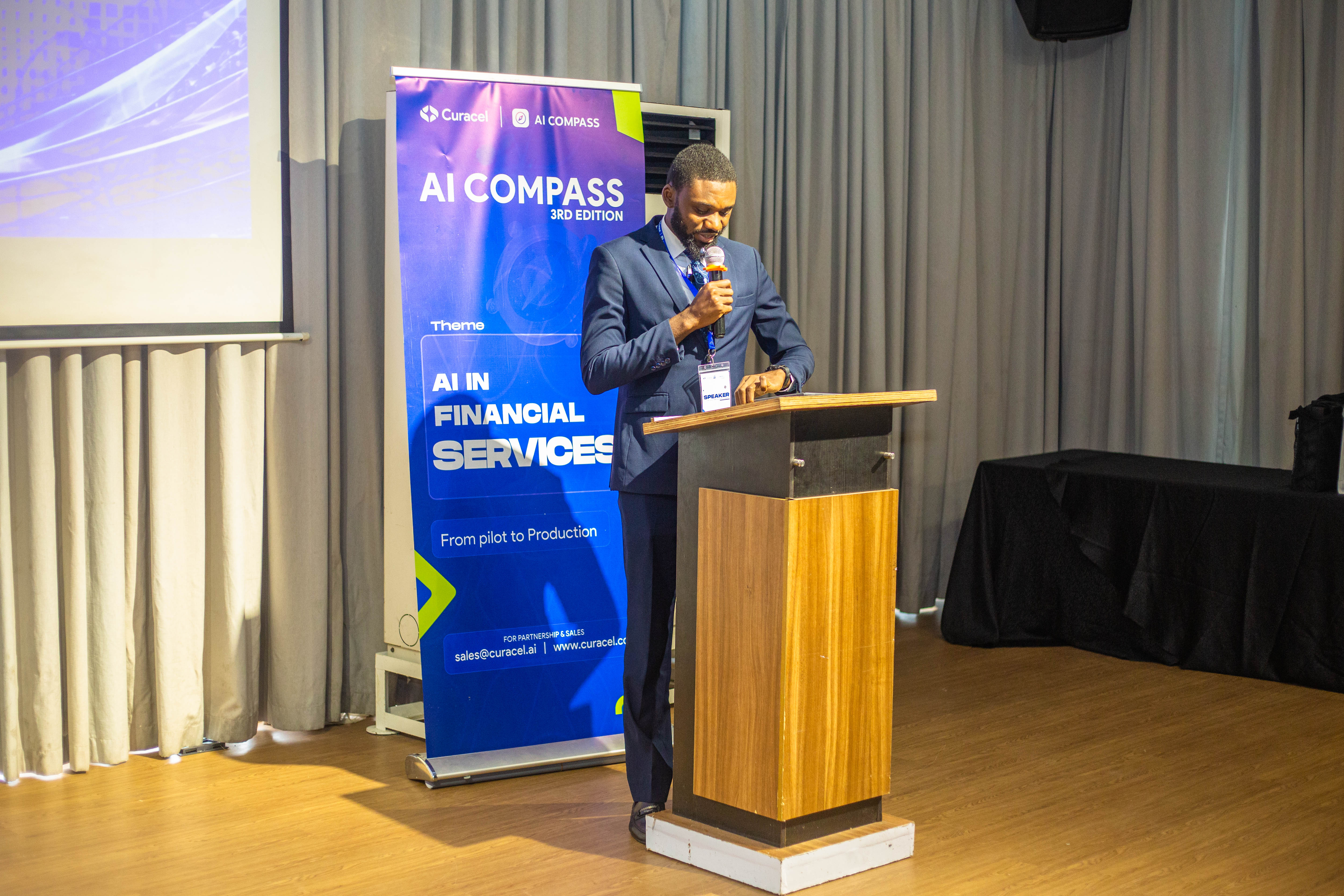
The formal programme opened with Barr. Abdullahi Abubakar Aliyu of NITDA speaking on AI policy and the future of digital financial services. Starting with policy placed every later discussion inside the same reality: AI adoption in finance has to satisfy public trust, accountability and market development at the same time.
Curacel Centre Stage Moved from Tools to Workflows
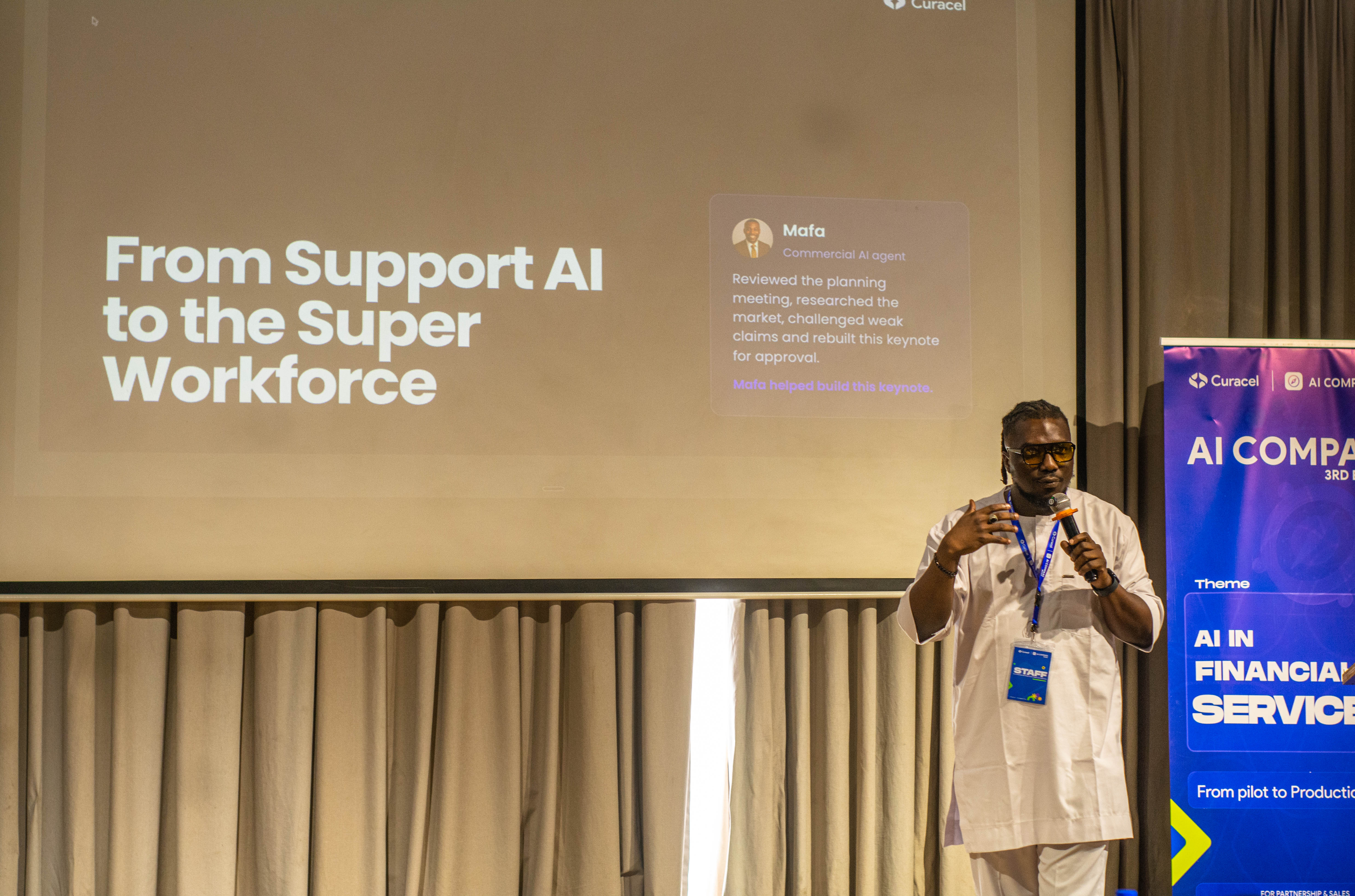
Curacel Centre Stage followed with The Super Workforce. The presentation moved the conversation beyond assistants that answer questions towards agentic systems that can carry repeatable work across documents, support, payments, reconciliation and operations.
The important distinction was workflow design. Institutions still have to define the job, the approval point, the exception path and the measure of success. Agentic AI works only when the operating model around it is clear.
Three Panels, One Question: Where Can AI Help?
Across three panel conversations, leaders explored the same question from different parts of financial services: where can AI improve real work?
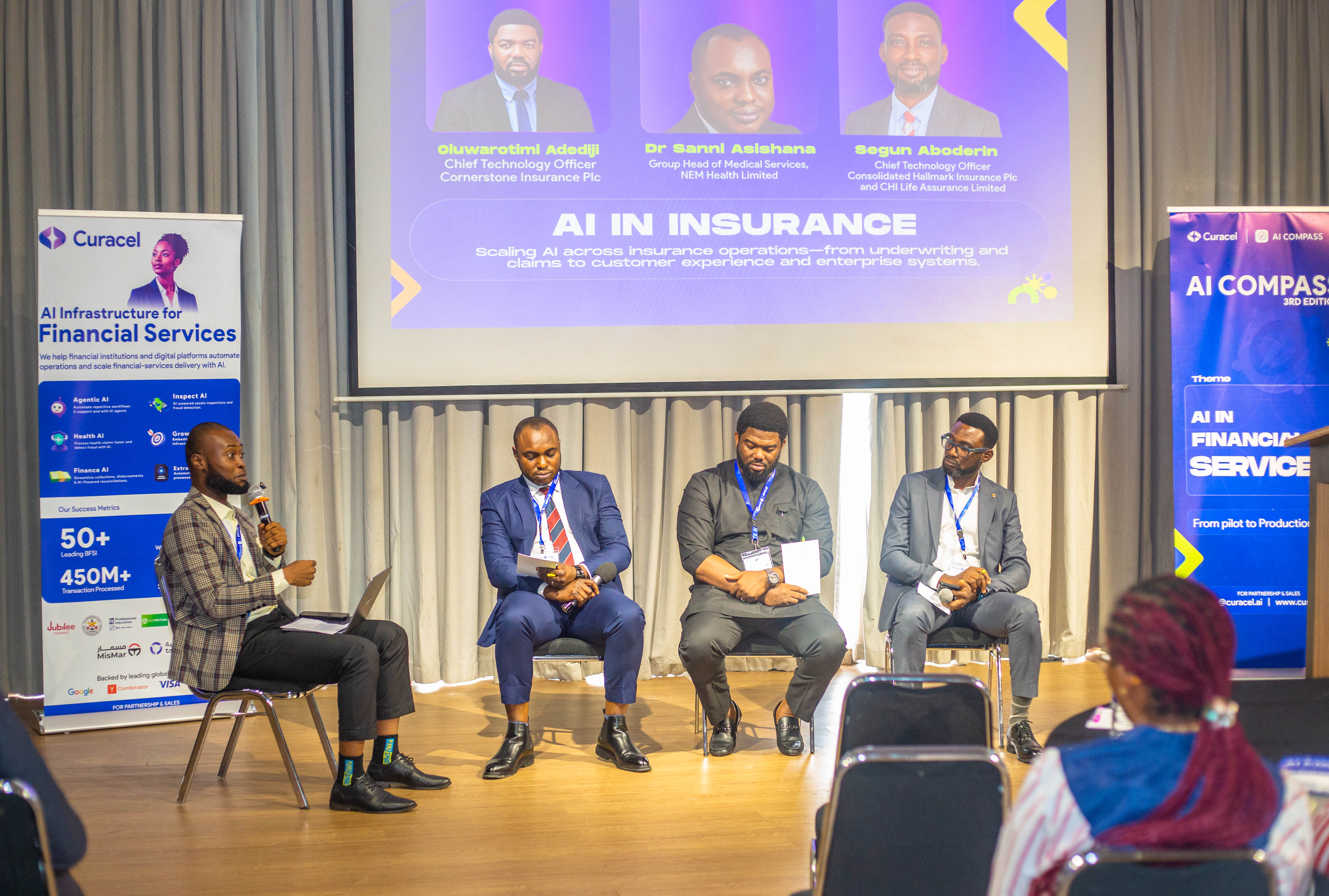
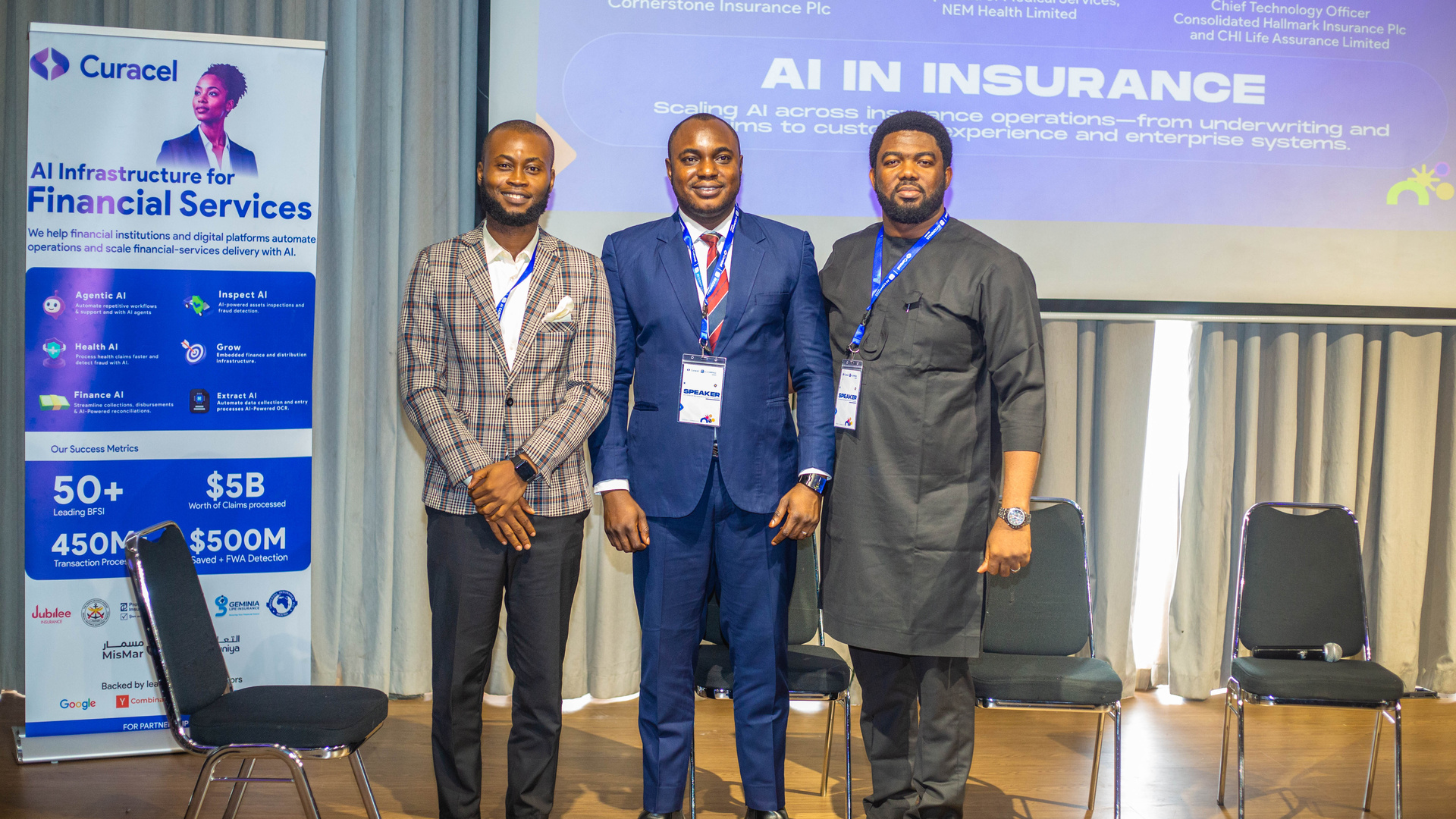
In insurance, Dr Sanni Asishana of NEM Health, Oluwarotimi Adediji of Cornerstone Insurance and Segun Aboderin of Consolidated Hallmark Insurance and CHI Life discussed claims, risk, distribution and trust. A short Curacel Auto demonstration then offered a glimpse of how those questions can translate into practical workflows.
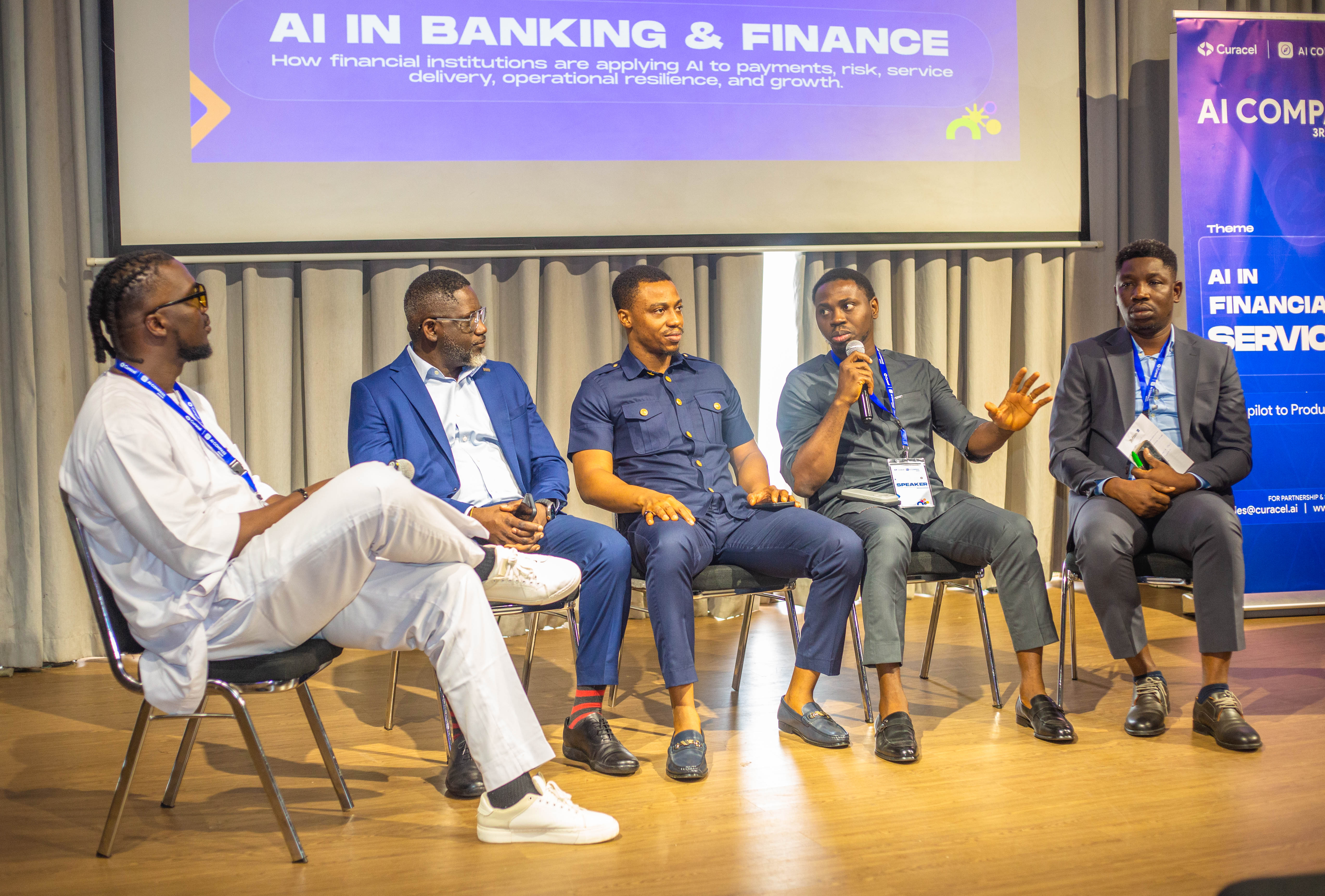
The banking and finance conversation brought together Oladipo Alabede of FCMB, Evi Jessy Emeurude of ALAT by Wema and technology and digital-transformation leader Oladipupo Aina. They focused on payments, risk operations, service delivery and resilience, followed by a brief Curacel Support AI demonstration.
In embedded finance, Grace Effiom of Lendsqr, Ms Oke Egbi of Seamless Technologies and Jordan Ajibola of ShipBubble examined lending infrastructure, distribution and the platforms customers already use.
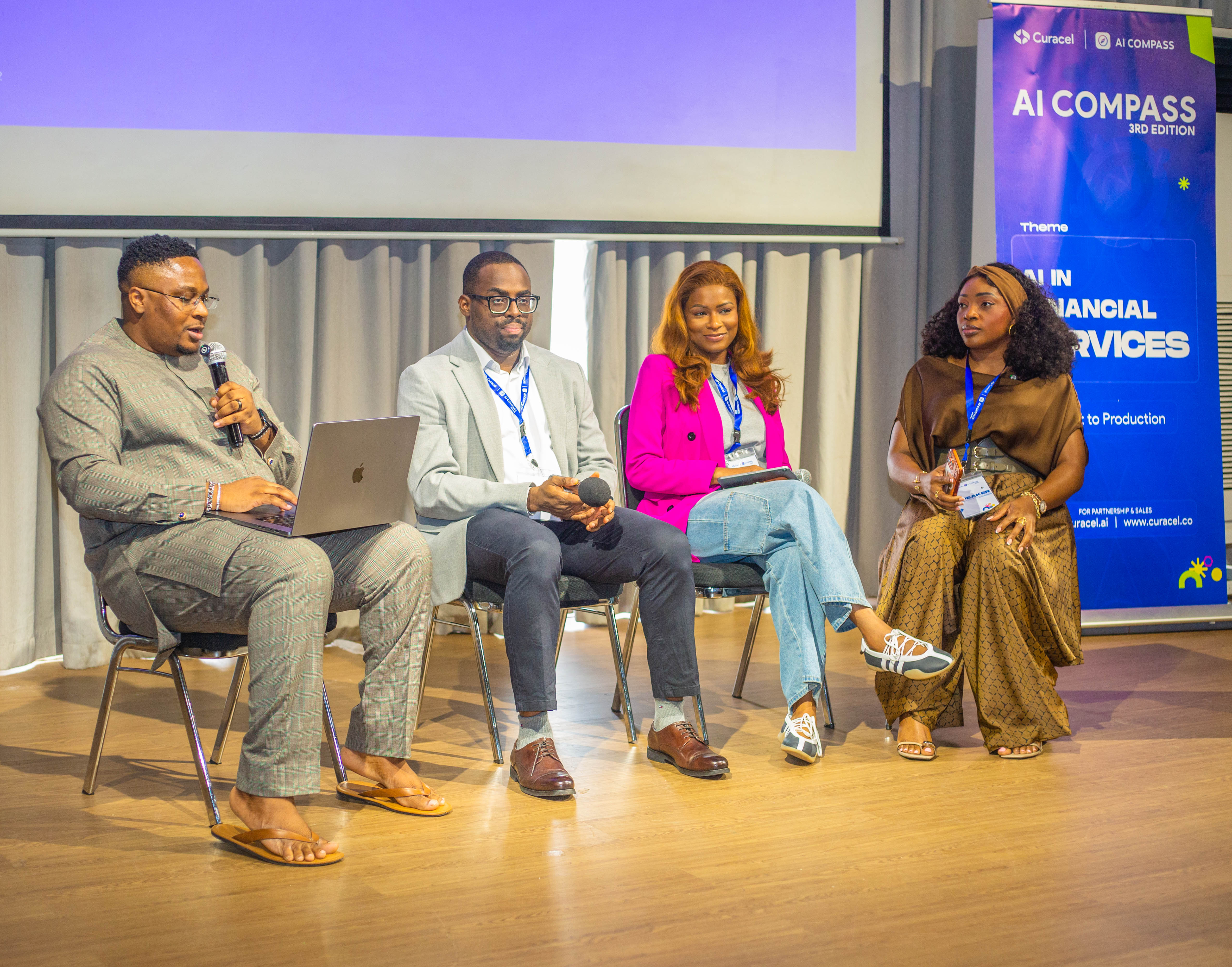
Together, the three panels showed how AI can help financial institutions reduce operational friction, make better decisions and serve customers across insurance, banking, lending and embedded-finance journeys. The technology changes by use case, but the test stays the same: does it solve a valuable problem with clear human oversight?
The Day Closed with How Leaders Use AI at Work
The final session was a fireside conversation with John Orakwe, an independent AI strategist and digital-transformation consultant, moderated by Jake Obodomechine. The conversation made AI personal and practical: how individual habits become team workflows, where AI falls short and where human judgement must remain final.
The full fireside conversation will be explored in a later AI Compass article.
The Takeaway
AI Compass 2026 made one thing clear: the useful question is no longer simply whether AI can work, but where it can improve financial-services operations reliably, responsibly and at scale.
The institutions that move fastest will choose a high-value workflow, define human accountability, connect the right infrastructure and measure the result. One production-ready use case is worth more than a long list of disconnected pilots.
Talk to Curacel about the financial-services workflow your team is ready to move from pilot to production, and keep an eye on the Curacel blog for deeper stories from the panels, demonstrations and fireside conversation.
Subsribe to our newsletter to receive weekly content





.svg)


