


Commission and Reconciliation Ops: The Broker Backlog Most Insurers Underestimate in South Africa
Commission and Reconciliation Ops: The Broker Backlog Most Insurers Underestimate in South Africa
Ask any broker ops or finance team what consumes the most time each month, and the answer is rarely "calculating commissions." The math usually works. What doesn't work is everything that happens after—exceptions, missing references, late corrections, and the disputes that follow.
For insurers in South Africa operating at scale through broker networks, commission reconciliation isn't just a finance task. It's a trust system. When it breaks down, broker relationships pay the price long before the numbers get fixed.
The real bottleneck isn't calculation. It's exception flow. Fix that, and commission ops stabilises—often without adding a single person to the team.
Where commission ops actually breaks
Commission disputes rarely start with a wrong formula. They start with data that doesn't match across systems.
Policy administration says one thing. Billing says another. The commission engine calculates based on whatever it receives—and if the inputs are mismatched, the output is a dispute waiting to happen. Timing gaps make it worse: a policy is endorsed after the commission run, a cancellation lands after statements are generated, or a reinstatement is applied retroactively without updating the commission logic.
The result? Manual corrections pile up. Reversals hit broker statements. And ops teams spend the first week of every month fixing what should've been caught before statements went out. That's the hidden cost of manual operations—compounding silently until month-end makes it impossible to ignore.

The 5 exception types that create 80% of broker disputes
Most commission backlogs aren't random. They come from a small, repeatable set of exceptions:
- Missing or incorrect policy references — the commission record can't be traced back to a specific policy or endorsement
- Duplicate or reversed policies — creating phantom commission entries that need manual cleanup
- Endorsements not reflected in commission logic — the policy changed, but the commission didn't
- Late cancellations or reinstatements — applied after the statement window, triggering reversals
- Commission splits that don't align with broker records — especially in multi-broker or co-brokerage arrangements
If your team can categorise exceptions into these five buckets, you've already got the foundation for a structured resolution workflow—instead of treating every dispute as a unique fire drill.
A simple workflow for commission exceptions
The difference between a team that clears exceptions in days versus weeks usually isn't headcount. It's workflow clarity.
A clean exception process has three elements. First, triage: identify the exception type immediately so it routes to the right path. Second, ownership: one person is accountable per exception—not a shared queue where items age quietly. Third, timeline: every exception has a visible expected resolution date.
Separate routine fixes (data corrections, reference updates) from true disputes that need broker engagement. And don't let month-end become the deadline. If exceptions are triaged daily, the month-end pile-up disappears.
👉 Book a 20-minute consultation to map your commission exception workflow.
How to reduce reversals with "match rules"
The most effective way to cut reversals isn't faster reconciliation—it's prevention.
Before any broker statement goes out, validate three fields: policy ID, broker ID, and effective dates. If these don't match across your policy admin, billing, and commission systems, flag it as a pre-statement exception rather than letting it generate a reversal.
This isn't complex logic. It's a simple set of match rules that catches mismatches before they reach the broker—and it's where automation actually delivers ROI without requiring a full system overhaul.

What to measure weekly
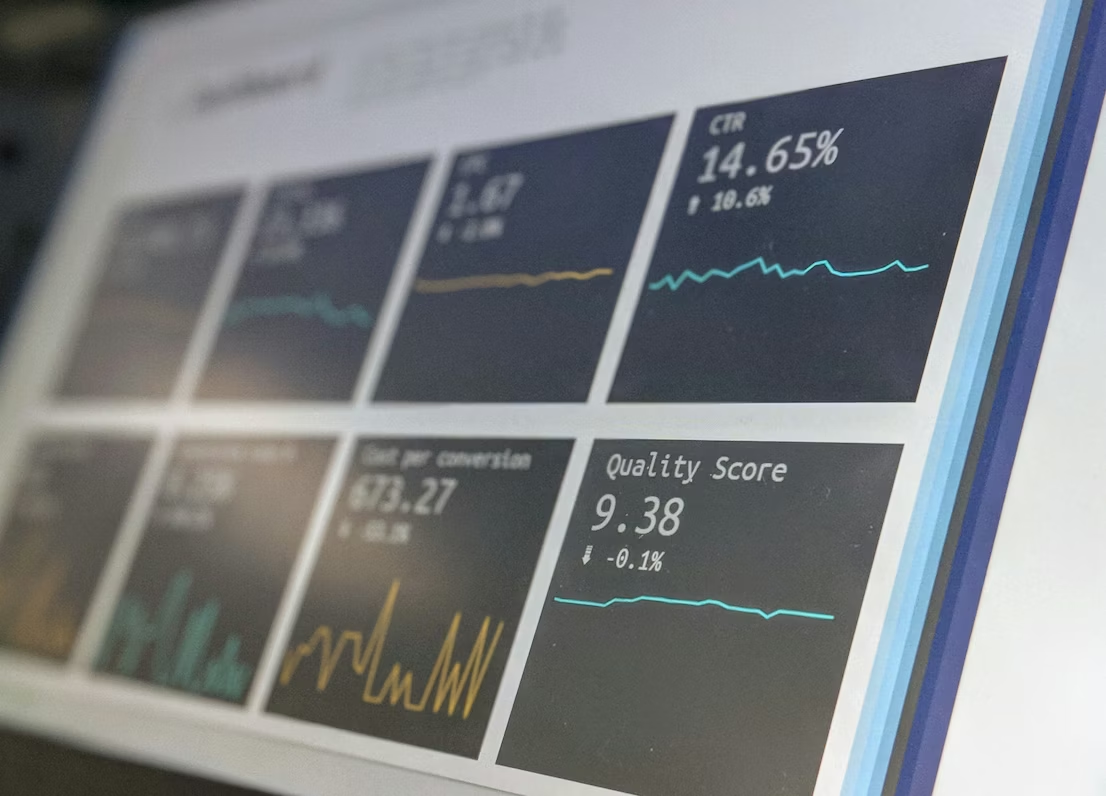
You can't fix commission ops with a monthly look-back. These five metrics give you a weekly pulse:
- Exception volume — total new exceptions generated per cycle
- Exception aging — how long unresolved exceptions have been open
- Dispute rate — percentage of exceptions escalated by brokers
- Resolution time — average days from exception identification to closure
- Reversal frequency — how often statements need post-issue corrections
If your dispute rate is climbing while exception volume stays flat, that's a workflow problem—brokers are finding issues your team isn't catching.
The market reality in South Africa
Many South African insurers and intermediaries operate at significant scale through broker networks, making clean commission ops a competitive advantage—not just an efficiency play.
We're seeing insurers in-market invest in structured exception handling and pre-statement validation, recognising that broker retention hinges on operational trust more than commission rates. The ones gaining ground treat commission ops as a broker relationship lever—and they're seeing real-world outcomes from insurers who've made that shift.
The takeaway
Commission ops is a trust system. Every disputed statement or unexplained mismatch chips away at broker confidence—and that confidence takes far longer to rebuild than the exception takes to resolve.
Fix the exception flow. Match early. Measure weekly. The backlog clears, and broker relationships strengthen by default.
👉 Book a 20-minute consultation to diagnose your commission reconciliation bottleneck.
Subsribe to our newsletter to receive weekly content






.svg)


