


The Revenue Line Hiding in Your Platform: Embedded Insurance
The Revenue Line Hiding in Your Platform: Embedded Insurance
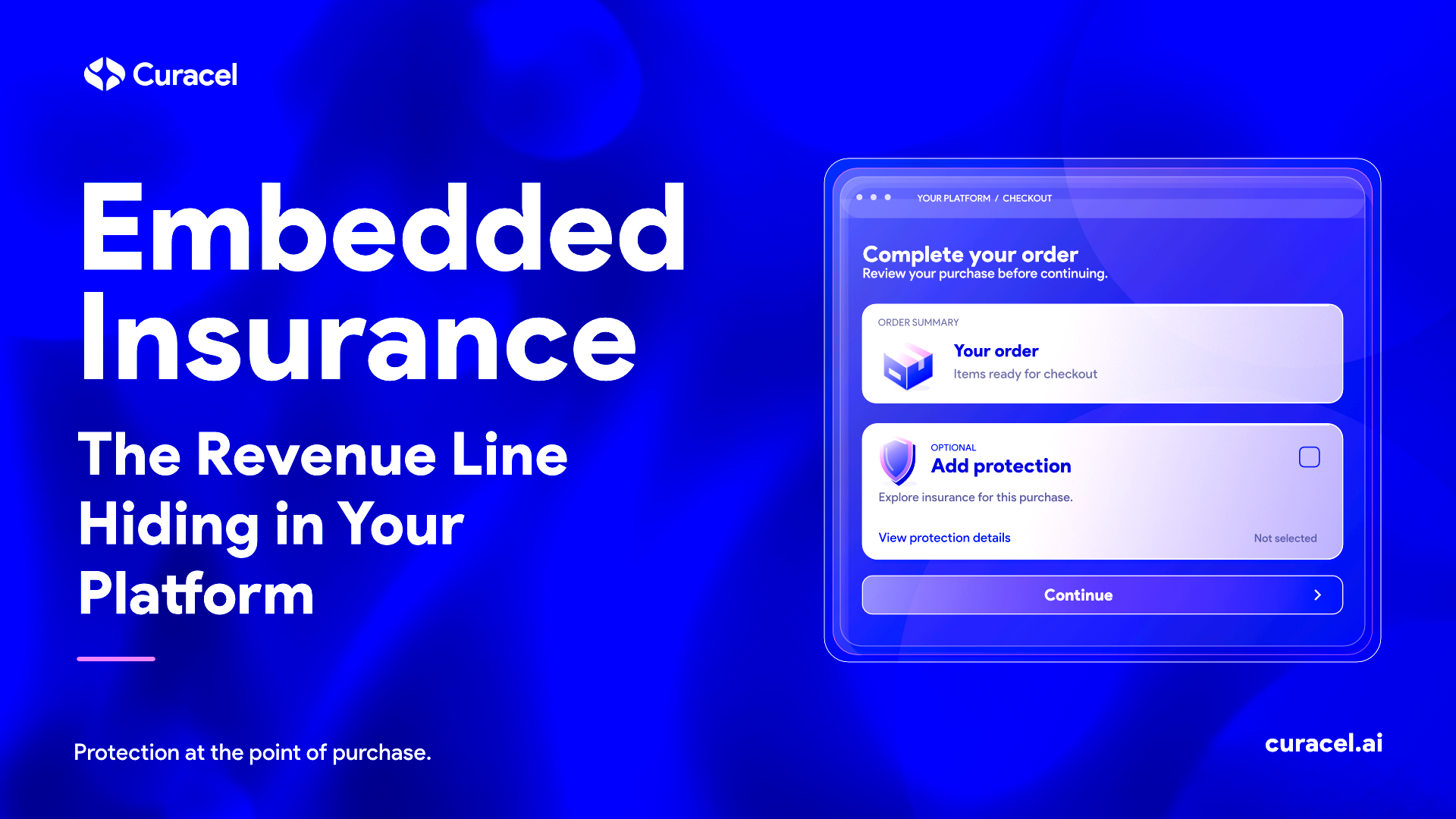
Your platform can collect more money without earning much more. Add insurance to a transaction, and the premium moving through your system can look like a new revenue line. It isn't automatically yours.
The embedded insurance revenue platforms should care about is what remains after they've earned their commission and served the customer. That means looking beyond the sale, to the work a policy creates afterwards.
Start With a Risk Your Customers Already Face
A logistics booking creates a practical question: what happens if the goods are damaged in transit? Relevant cover belongs beside that decision, with its limits explained before purchase.
The distribution opportunity is real, but reach isn't demand. The World Bank's Global Findex 2025 reports that 40% of adults in Sub-Saharan Africa had a mobile money account in 2024. That tells us about digital financial access, not willingness to buy insurance.
Cenfri researchers writing for MFW4A make the more useful product point: platform insurance must fit local conditions and participants' needs. Start with the customer's exposure, not a commission target.
Separate Premium Volume From What You Keep
A premium buys cover. The platform's income depends on its agreement, not the amount displayed at checkout.
The IFRS Foundation's principal-versus-agent framework distinguishes providing a service from arranging for someone else to provide it. Its cited decision concerns software resale, not insurance, so finance must assess the actual contracts rather than assume gross premium is platform revenue.
Build an internal contribution view:
- Earned income: Start with contractually earned commission, adjusted for applicable cancellations or clawbacks.
- Delivery costs: Deduct attributable payment and operating costs, including an explicit allocation for integration and compliance work.
- Service costs: Include policy support and claims-assistance time. Don't deduct adjustments twice if they're already netted from income.
What's left is contribution under that cost definition, not net profit. Remaining overheads and taxes still matter.
👉 Explore Curacel Grow's commission reporting and claims-support capabilities.
The Sale Starts a Service Obligation
Consider a customer who needs evidence of cover, then later asks how to claim. Even when the insurer pays the claim, someone must handle those questions. Budget for your team's part in that work.
CGAP's consumer-protection framework stresses provider capability and collaboration across the customer journey. For a platform, turn that principle into named responsibilities:
- Before purchase: Explain the price and coverage limits. Make the customer's choice clear.
- After purchase: Confirm how policy documents reach the customer and who corrects errors.
- At claim: Identify who gathers evidence and communicates progress. Specify who decides coverage and handles escalation.
Don't automatically book the insurer's claim payouts as platform expenses. Check whether the agreement actually exposes your business to that liability.
Pilot the Economics Through to Service
Start with a defined customer journey and measure it beyond checkout. Track purchases alongside cancellations, then reconcile earned commission against attributable costs. Review complaints and claim outcomes before expanding.
Curacel Grow's public product page describes commission reporting and claims-workflow support, with underwriting performed by licensed insurers. Confirm product availability and responsibilities for your market; those capabilities don't guarantee a margin or remove local regulatory review.
Have qualified local advisers review distribution permissions and customer-data requirements. Ask finance to confirm revenue recognition and tax treatment.
The Takeaway
The hidden revenue line isn't the premium total. It's the contribution from relevant cover that your platform can distribute and support responsibly. Count the post-sale work before calling the opportunity profitable.
Ready to assess the economics for your platform? Talk to Curacel about your customer journey and service model.
Subsribe to our newsletter to receive weekly content





.svg)


