


The Inspection Report Is Not the Bottleneck. The Workflow Is.
The Inspection Report Is Not the Bottleneck. The Workflow Is.
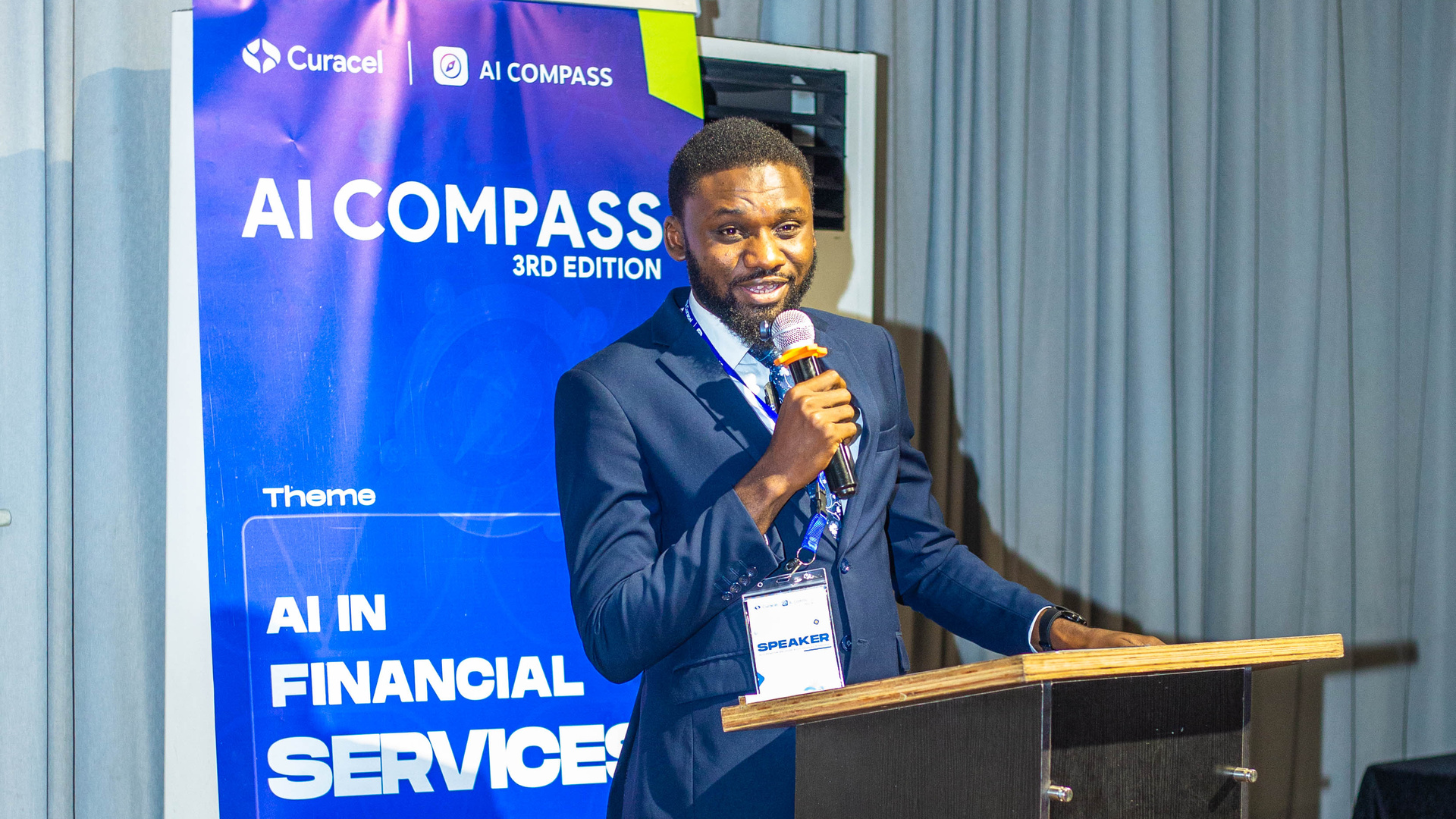
At AI Compass 2026, Curacel’s product lead put a familiar underwriting problem plainly: “The way we do inspection is a bit broken, right? It's manual. It's slow. It's highly dependent on human judgment.”
Then came the test that makes the problem real. Send the same property pictures to three engineers and you may receive three different reports. Each expert may notice something useful, but the insurer still has to compare inconsistent evidence, reconstruct the reasoning and decide what can safely be underwritten.
The answer is not to remove underwriters or risk engineers. It is to give them a better evidence workflow.
That is the idea behind Inspect AI, demonstrated on the AI Compass stage: capture property evidence, analyse it with computer vision and configured rules, flag potential risks, and prepare a structured report for human review. The important shift is not from human to machine. It is from scattered evidence to a repeatable, reviewable process.
Inspection Is an Evidence Problem
A property video is not an underwriting decision. Neither is an object-detection label or a risk score.
Consider a warehouse submission. The camera captures stacked inventory, extinguishers and electrical fittings, but misses the rear exit. A model might identify what is visible. It cannot safely conclude that the unseen area is compliant. A well-designed workflow should ask for another view, lower its confidence or route the case for onsite inspection.
The same principle applies to a construction project outside a major city. Guided capture may help an insurer gather preliminary evidence without immediately dispatching an engineer. But if structural elements are obscured or the location presents an unusual exposure, the correct output may be an exception, not an automated approval.
This distinction matters because insurance runs on evidence, policy terms and accountable judgment. AI can help organize the first. It does not erase the other two.
What Inspect AI Showed on Stage
The demonstration presented a simple sequence. As the speaker explained, “First, we can actually take a video of that property to see some of the risk areas in the property. We scan the video. We analyze it with AI and our computer vision model. And the third step is it presents a final report to the underwriter, which they can use to make decisions.”
That final phrase is the centre of the product story: the underwriter uses the report to make decisions.
During the live scan, the system marked objects visible in the room and surfaced potential risk areas. The resulting report was described as showing high-risk areas, possible impact and recommendations. In practice, this kind of structure can make submissions easier to compare. It can also make review faster by moving the underwriter’s attention toward missing evidence, exceptions and material risks.
The value is not that every inspection becomes identical. Different properties are different. The value is that the institution can define what evidence it expects, how risks are described, which rules apply and when a specialist must intervene.
Want to test this on a real workflow? Book an Inspect AI demo and bring one current property-inspection process. Curacel can help map the capture steps, exception rules and approval points before automation.
Human Judgment Moves to the Decisions That Need It
One line from the session said the workflow can “take out the human judgment.” That is an appealing shorthand, but financial institutions should set a more careful goal.
Good automation removes avoidable inconsistency from evidence collection and routine classification. It should not remove accountable judgment from risk acceptance, unusual cases or disputed findings.
A senior risk engineer should not spend the same effort on every clean, standard submission. Their expertise is more valuable when a case has conflicting evidence, a material hazard, a low-confidence model output or a policy question. AI can help move human attention to those moments.
That requires visible controls. Reviewers should be able to see the source evidence behind a flag, the rule or model version involved, the confidence level, any missing views and the person who approved the outcome. They should also be able to override a recommendation and record why.
The NIST AI Risk Management Framework offers useful, voluntary guidance through its Govern, Map, Measure and Manage functions. It is not a substitute for insurance regulation or local law, but it reinforces an important design principle: governance belongs inside the operating process, not in a policy document added later.
Standardization Must Include the Right to Say “Not Enough Evidence”
A standardized report can improve comparison, but only if the input is good enough.
For an insurer, that means defining capture requirements by risk type. A small office, a fuel depot and a high-rise construction site should not follow the same checklist. It also means setting thresholds for recapture, remote expert review and physical inspection.
The workflow should preserve uncertainty rather than hide it. If a video is dark, incomplete or manipulated, the system should not turn weak evidence into a confident score. If two signals conflict, the report should show the conflict. If a model cannot assess a hazard reliably, the interface should say so.
This is where product design meets underwriting governance. The insurer needs role-based access, an audit trail, data-retention rules and a clear path for correcting errors. Customers and brokers also need understandable instructions so they can provide usable evidence without turning the process into another source of friction.
The Commercial Case Is Controlled Throughput
At the event, Curacel’s product lead connected the workflow to growth: “If you cannot underwrite the risks, you cannot take on risks. You cannot make more money as an insurance company.”
That is directionally right, but the operating case should be measured carefully. Faster evidence processing does not automatically mean profitable growth. The institution still needs sound pricing, appropriate coverage, claims performance and effective risk controls.
A useful pilot would compare a defined baseline with the new workflow. How long does evidence collection take? How many submissions require recapture? How much senior-engineer time goes to routine cases? How often do reviewers override system flags? Does the process improve consistency without increasing missed hazards?
Those measures can show whether AI is creating capacity or simply moving work elsewhere. They also give risk, compliance and operations leaders a shared basis for deciding whether to expand.
Nigeria’s Insurance Industry Reform Act, assented to in August 2025, strengthened the official policy emphasis on compulsory insurance and digitisation. That context can increase the need for scalable evidence processes. It does not reduce the standard of proof insurers should require. If anything, broader participation makes transparent, reviewable inspection more important.
The Takeaway
The strongest version of AI-assisted inspection is not a machine making property decisions from a quick video. It is a governed workflow that helps insurers collect better evidence, identify exceptions and produce a consistent starting point for expert review.
The AI Compass demonstration made that opportunity tangible. Guided capture can reduce avoidable back-and-forth. Structured analysis can make risk signals easier to compare. A reviewable report can help underwriters focus on the cases that need their expertise most.
The next step is not to automate every inspection. It is to choose one property class, define the evidence and controls, run the workflow alongside current practice, and measure what improves.
Book an Inspect AI demo to assess one inspection workflow and design a controlled path from field evidence to an underwriter-ready report.
Subsribe to our newsletter to receive weekly content




.svg)


